It was supposed to be just another ordinary evening in Pakistan’s rugged Khyber Pakhtunkhwa region. But in a matter of seconds, the silence was broken by gunfire and a name that has long floated in security reports suddenly became front-page news in the most violent way possible.
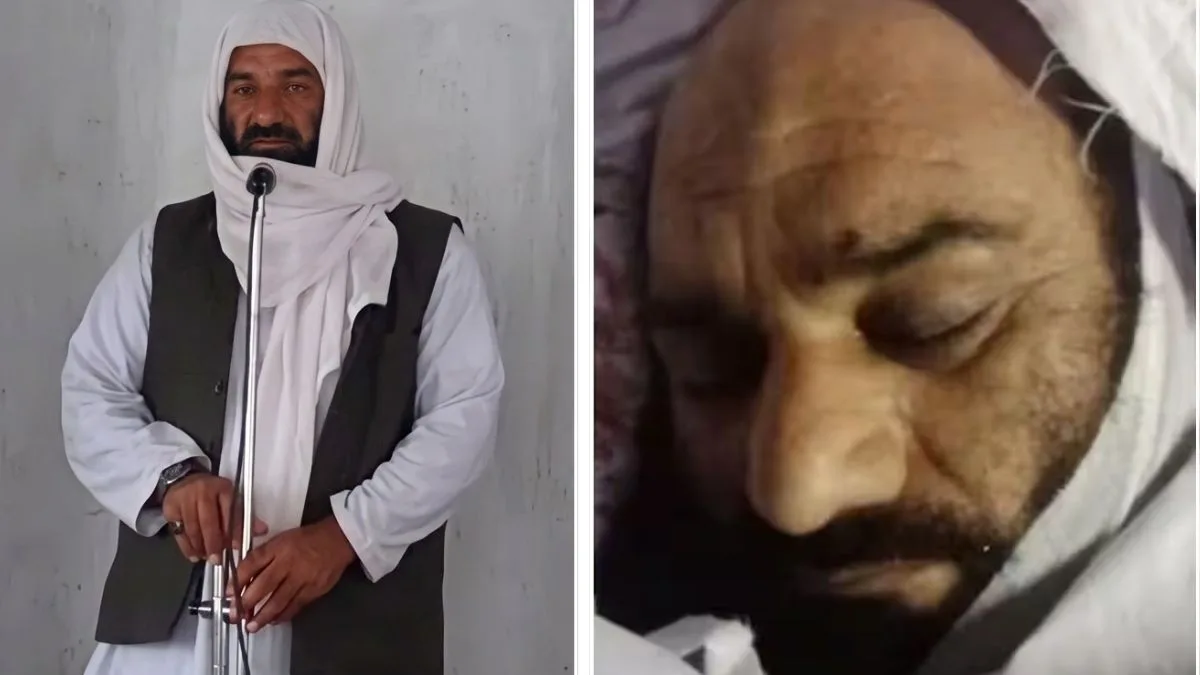
Sheikh Yusuf Afridi, a senior commander of the proscribed Lashkar-e-Taiba (LeT), was shot dead by unidentified attackers in what officials are calling a possible targeted assassination. The attackers reportedly came close, opened fire at point-blank range, and vanished almost instantly into the chaos of the region. Afridi had no chance to escape. His body was left with multiple bullet injuries, and by the time help could arrive, it was already over.
Advertisement
No group has stepped forward to claim responsibility yet. This has added another layer of mystery to an already shadowy case.
Who was Sheikh Yusuf Afridi?
Sheikh Yusuf Afridi was not a new or low-level name in security circles. He was considered a senior figure in Lashkar-e-Taiba’s regional setup in Pakistan’s Khyber Pakhtunkhwa.
Belonging to Afridi tribe of the Khyber region, he was believed to have deep local connections that eventually helped him maintain influence in that very area.
According to security officials, Afridi played key role in recruitment and ideological outreach for the group. He was also reportedly involved in coordinating operations and facilitating movement and training of operatives.
Authorities had long suspected his involvement in activities linked to operations targeting Jammu and Kashmir.
He was also believed to be closely associated with LeT chief Hafiz Saeed that made him part of the group’s inner regional network. Over time, Afridi had developed a reputation as a key organiser rather than just an on-ground operative.
A killing that fits a growing pattern
Afridi’s death does not appear to be an isolated case. Over past several years, Pakistan has seen string of similar killings targeting individuals linked to banned outfits. Those include Lashkar-e-Taiba and Hizbul Mujahideen.
Reports suggest that since early 2026 alone, more than 30 such figures have been attacked by unknown gunmen across multiple regions.
These incidents have been reported from cities and provinces including Lahore, Karachi, Punjab, Sindh, Balochistan, Khyber Pakhtunkhwa. In many of these cases, attackers struck and disappeared without leaving clear evidence behind.